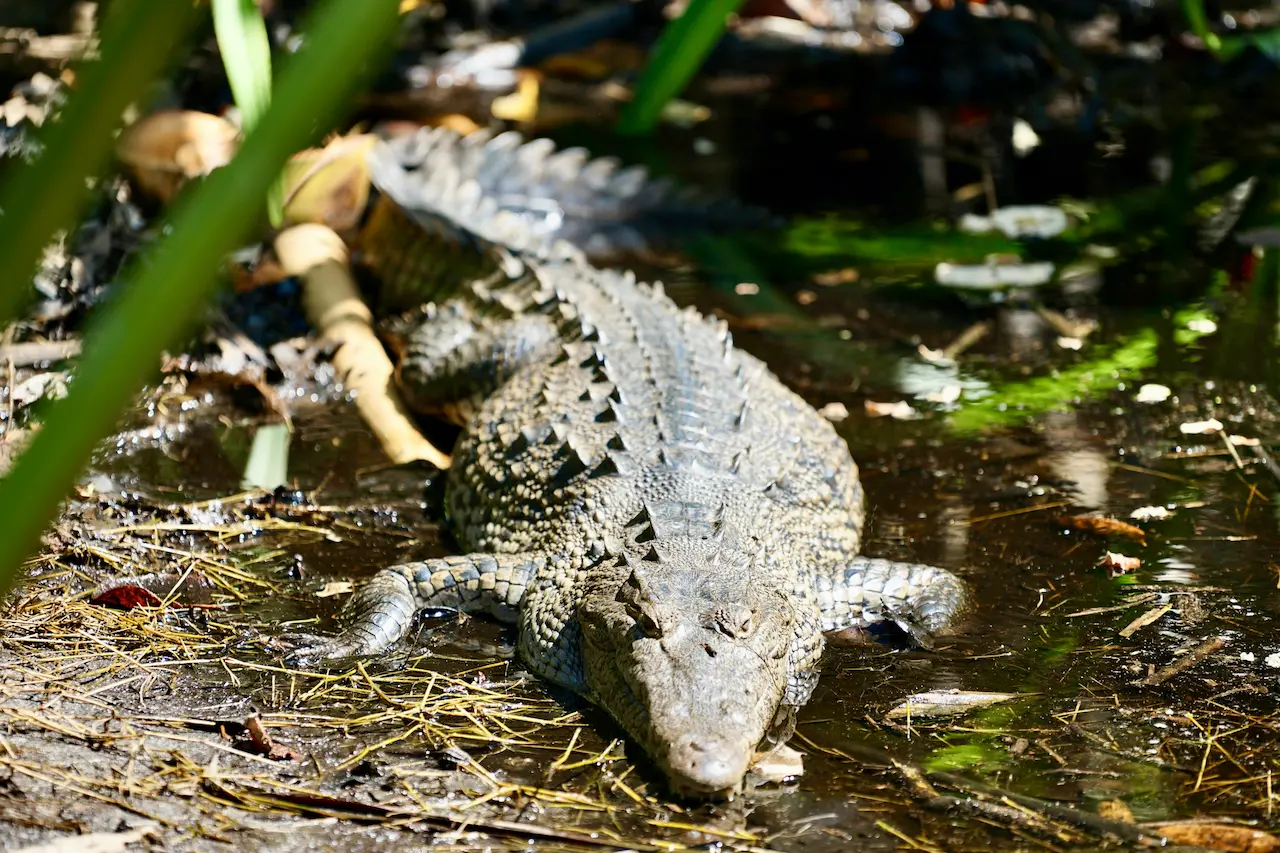
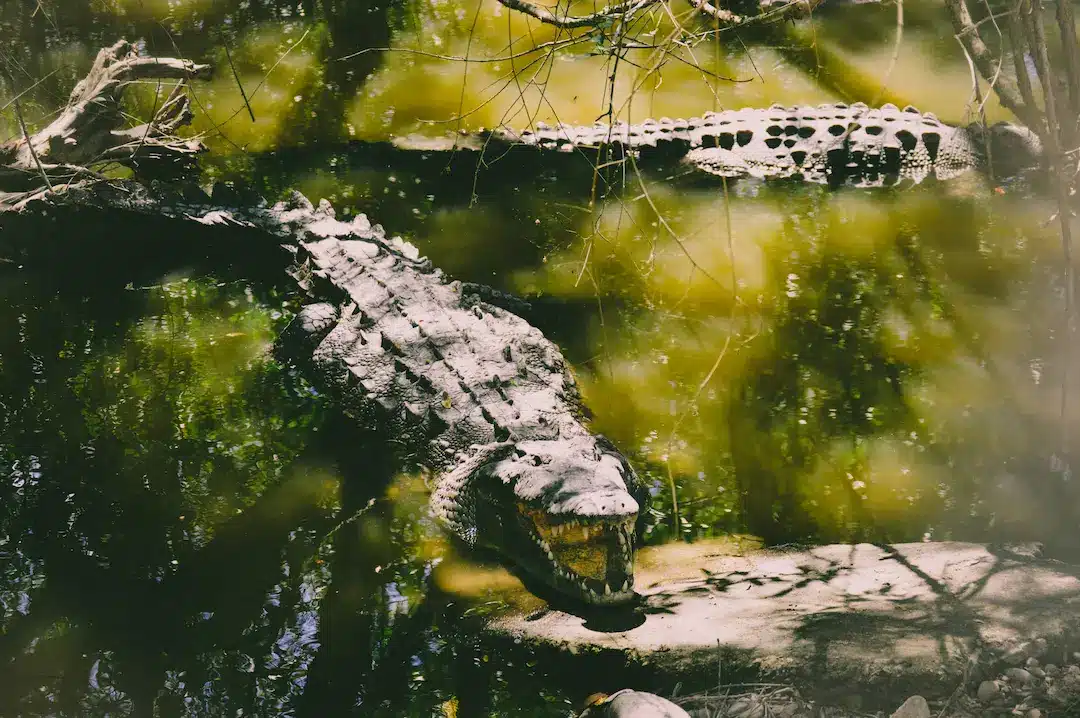
The crocodiles of the Yucatán region, more precisely the Moreleti, small crocodiles with a broader and shorter snout, and the American crocodiles with a longer and narrower snout, can be seen all year round across the peninsula. They are found mainly in the mangroves, the lagoons, the marshes, the cenotes and even in the ocean. This carnivorous reptile feeds on birds, fish and small mammals. Here are the places where you can see them roaming free.
1. Sian Ka’an Biosphere
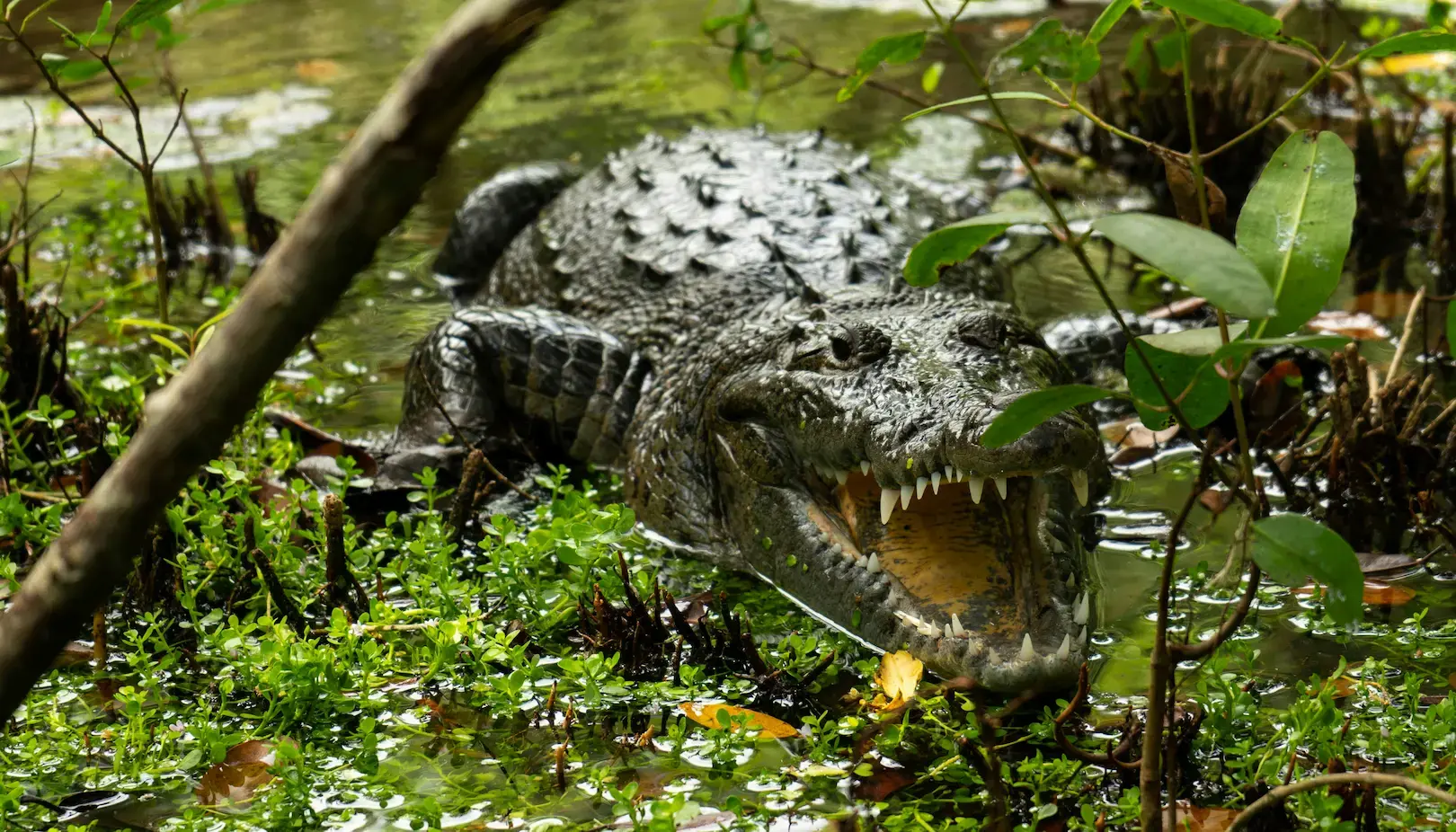
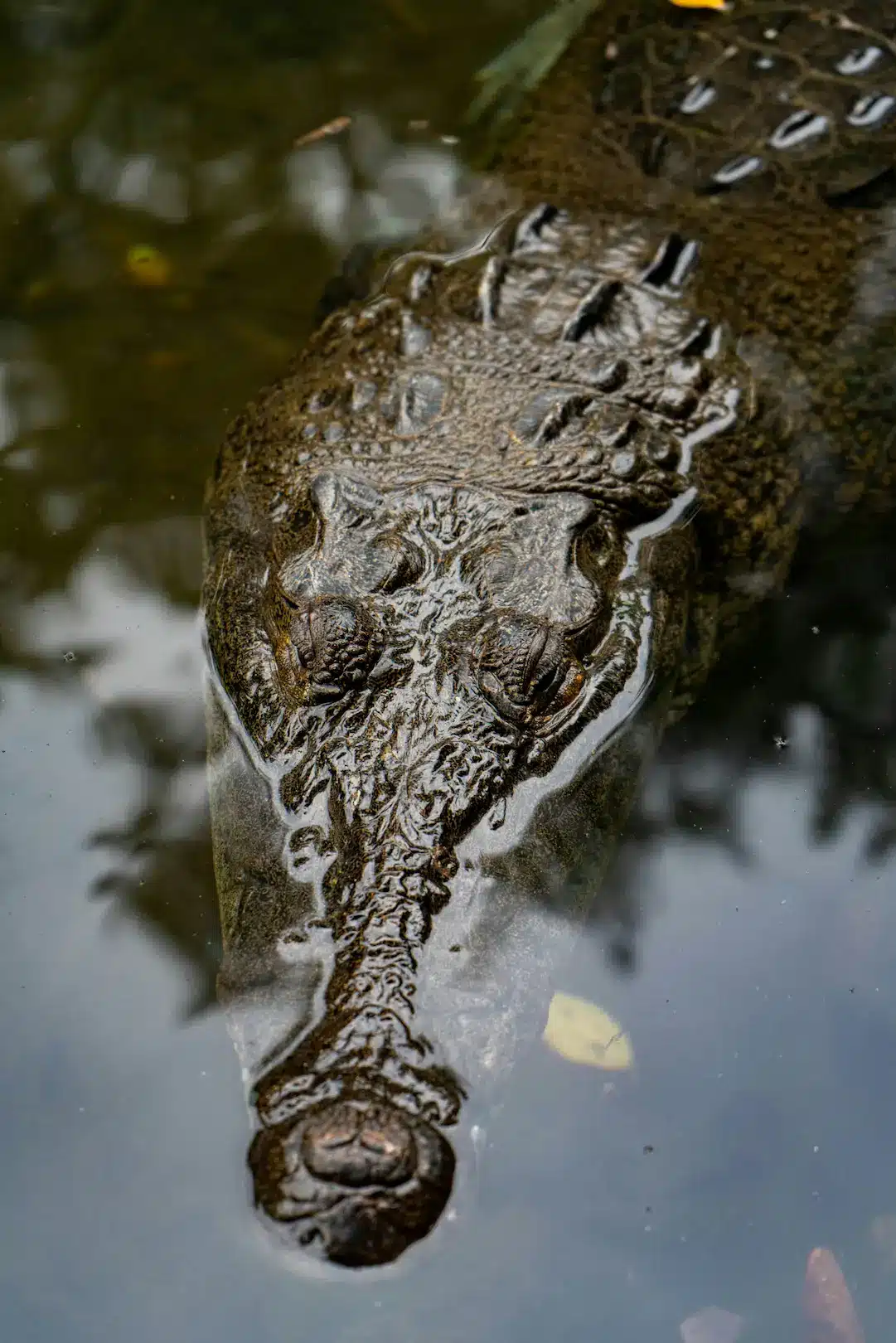
Sian Ka’an is one of the most beautiful nature reserves in Mexico. The Maya people called it “where the world begins”. The turquoise waters, the flora and the fauna put on an exceptional show: crocodiles, turtles, manatees, dolphins and birds such as the roseate spoonbill.
As this is a reserve where the animals roam free, you may not see every species during your Sian Ka’an tour. It is rare, however, to come back empty handed.
The ideal spot to watch crocodiles is the Boca Paila bridge, south of Tulum, about an hour’s drive after the entrance to the reserve. As they often hide in the mangroves, count on roughly a 60% chance of coming across one. The animals you are almost certain to see are dolphins and turtles.
2. Río Lagartos
Río Lagartos, “alligator river”, is listed as a UNESCO World Heritage site. This reserve is home to countless animal species, including 400 species of birds. During your Río Lagartos tour, you can take a ride on a small boat, which the locals call a “lancha”. Besides the crocodiles, you will see flamingos and you can take a Maya bath in white clay.
The fishermen offer tours of two to three hours. Count on around 3,400 Mexican pesos (MXN) for three hours, for a boat of 6 people.
After the boat trip, you can carry on to Las Coloradas. This pink lake is 20 minutes from the reserve.
How do you get to Río Lagartos?
You can choose between public transport and renting a car. Online, on platforms such as ADO, you can find your bus leaving from your town.
For car rental, several agencies operate in the region, with insurance that covers damage. It takes about 3 hours of driving from Cancún, 2 hours 50 from Playa del Carmen, 1 hour 30 from Valladolid and 2 hours 40 from Mérida.
When is the best time to go to Río Lagartos?
If it is only to see the crocodiles, you can go at any time of the year. If you also want to enjoy the flamingos, the ideal period is between April and May.
Be aware that there is no cash machine in Río Lagartos or in Las Coloradas: bring cash with you.
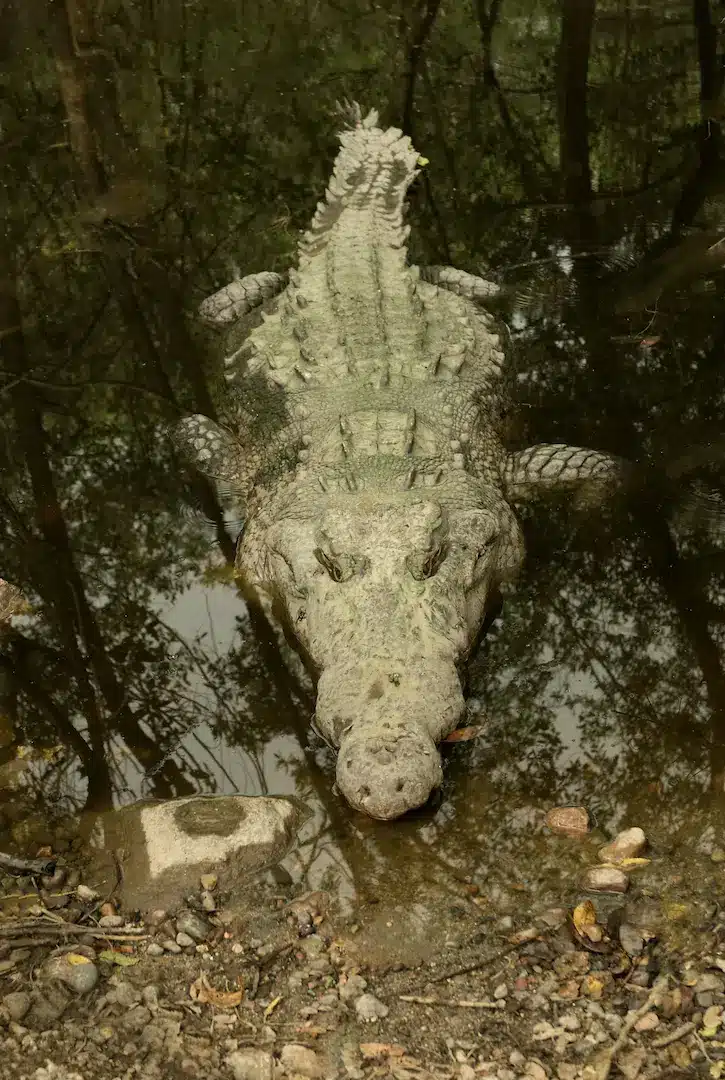
3. The Nichupté lagoon in Cancún
The Nichupté lagoon lies close to the hotels of Cancún. On the way you will see “beware of crocodiles” signs, even though they do not usually leave the lagoon. You can watch them resting on the banks. Children particularly enjoy the boat ride.
4. Celestún Reserve
Near Mérida, this protected area is known above all for its flamingos. But the Celestún reserve is also home to other wild species, crocodiles among them.
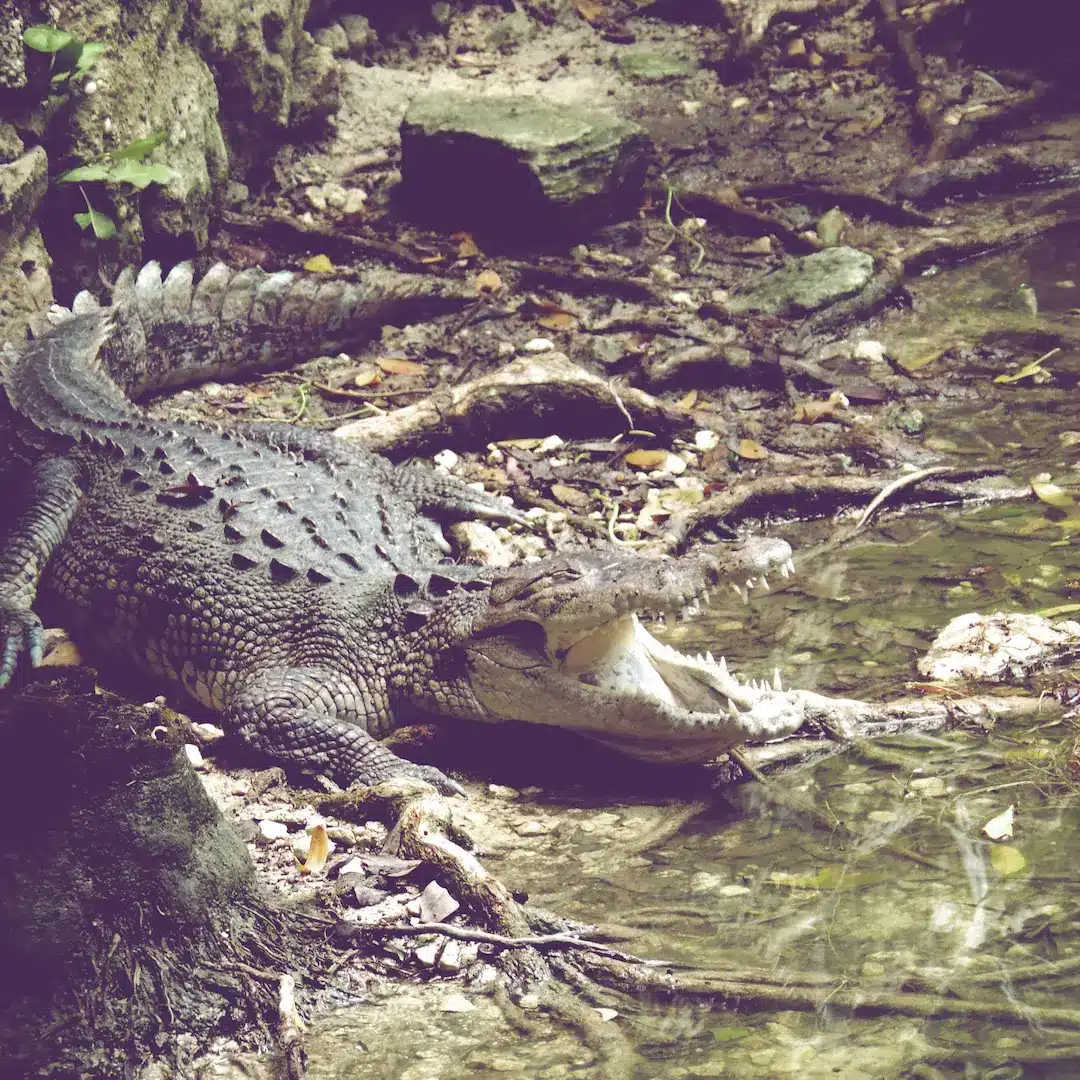
5. Casa Cenote (Manatí cenote)
When people talk about the Manatí cenote, or “Casa Cenote”, about 50 minutes from Playa del Carmen and 20 minutes from Tulum, you immediately think of the local star: Panchito, the crocodile, who has made it his refuge for several years. Manatí is an open cenote where you come across plenty of multicoloured fish. Bring your mask and snorkel.
The crocodile and safety
Generally speaking, a crocodile very rarely attacks humans. It feeds mostly on small animals, turtles, insects and fish. It only moves into an attack position if it feels threatened or if someone enters its territory.
So you run no risk on a boat tour in Sian Ka’an or in Río Lagartos.
What other animals can you see in the Yucatán peninsula?
The peninsula is home to many wild species: turtles, howler monkeys, flamingos, dolphins and whale sharks.